SCAPES
In Uzbekistan, landscapes are never simply geographical backdrops; they are layered palimpsests where ecological ingenuity, historical continuity, and social resilience converge. This platform proposes a set of alternative itineraries that move beyond conventional touristic narratives, offering instead interpretive frameworks—what we call scapes—through which the complexity of place may be understood and experienced.
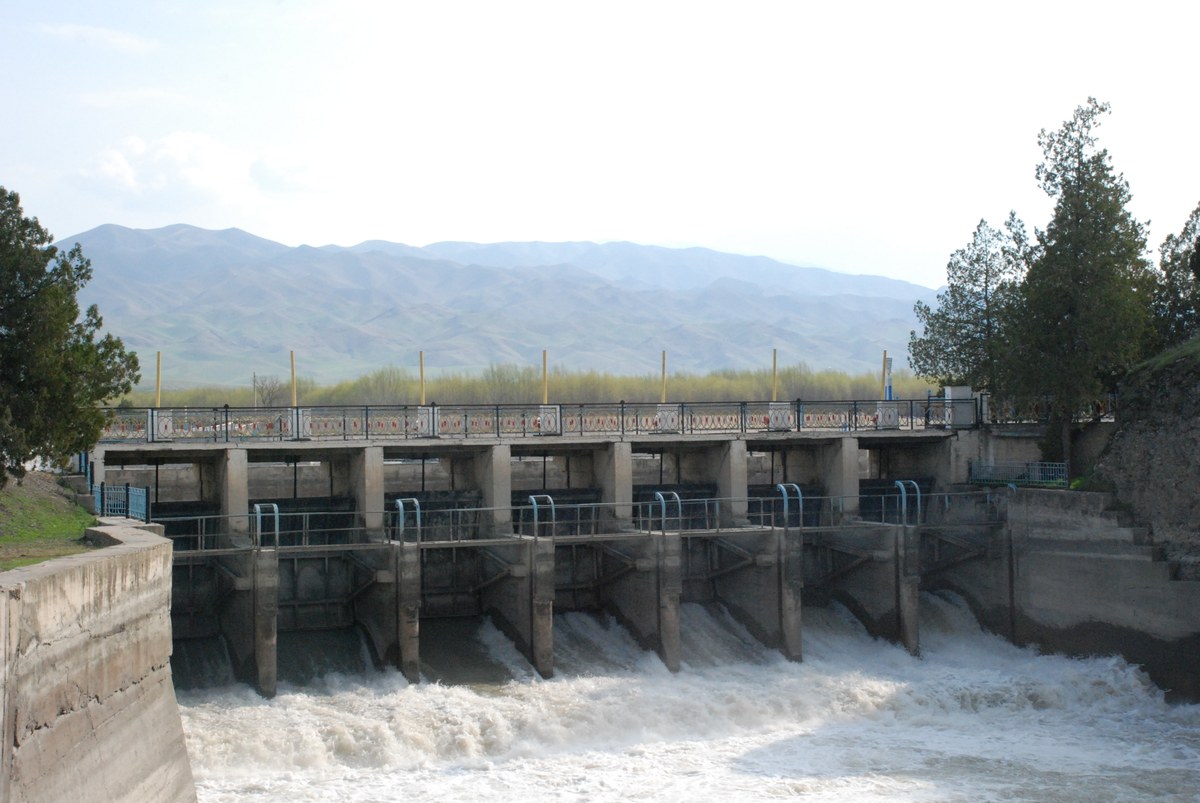
The waterscape reveals how rivers, canals, and springs have for centuries sustained not only agriculture and urban life but also cultural imagination, providing the material foundation upon which prosperity and identity were built. The heritagescape illustrates how archaeological remains, monumental architecture, and intangible practices coexist as living legacies, continuously reinterpreted and re-embedded in contemporary life. The communityscape highlights the enduring vitality of neighbourhood networks such as the mahalla, where hospitality, reciprocity, and collective responsibility remain central to navigating both tradition and change.
Approaching Uzbekistan through these interwoven perspectives enables visitors and scholars alike to grasp how environments, histories, and communities shape one another in ways that transcend static representations. Rather than isolating monuments or natural features, these itineraries invite a holistic encounter with a region where the past is never merely archived but actively lived, negotiated, and shared. In doing so, they open a space for reflection on how cultural landscapes across the globe might be reimagined at the intersection of ecology, heritage, and society.


