MULTIMEDIA
This section presents a selection of short films produced during the 2024 fieldwork campaign, combining archaeological investigation at Kafir Kala with ethnographic interviews conducted in surrounding communities. By foregrounding the voices of local residents, these videos illuminate how the waterscape of Uzbekistan is not only a matter of ancient infrastructure or environmental adaptation, but also a lived and narrated reality. Their testimonies enrich our understanding of Kafir Kala as more than an archaeological site: it is a place where memory, practice, and identity converge, revealing how heritage continues to acquire meaning through the perspectives and experiences of those who inhabit the landscape today.
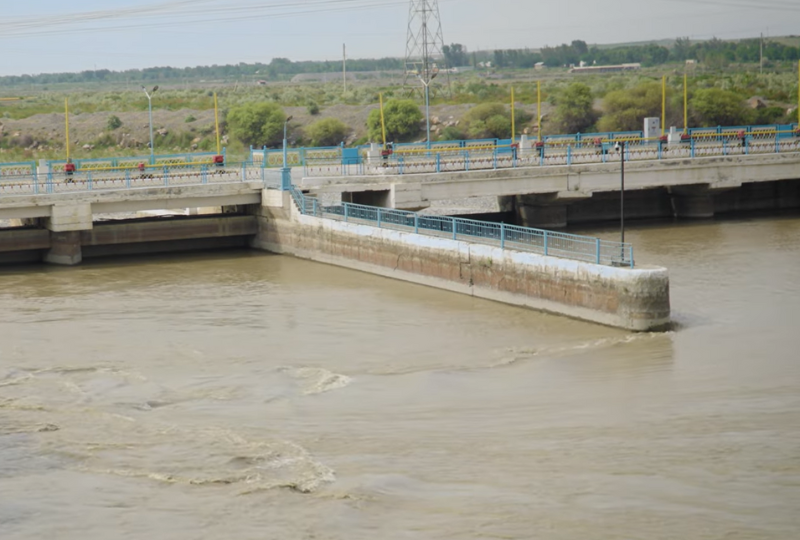
Samarkand waterscape
The KALAM project activities in Uzbekistan have encompassed multiple aspects of the local archaeological heritage. The Samarkand waterscape, including natural rivers and man-made canals, has played a significant impact on human settlements and communities in both ancient and more recent times.
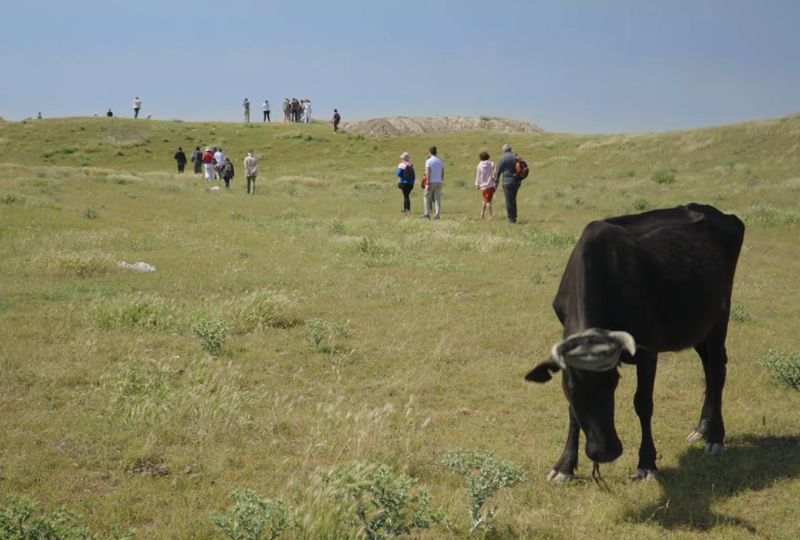
Kafir Kala Living Landscapes
Archaeological landscapes experience constant evolution because of the modern communities living in and around them. The site of Kafir Kala, one of the contexts addressed by the KALAM project, has offered significant insights on the relationship between the ancient remains and the inhabitants living in constant contact with them.
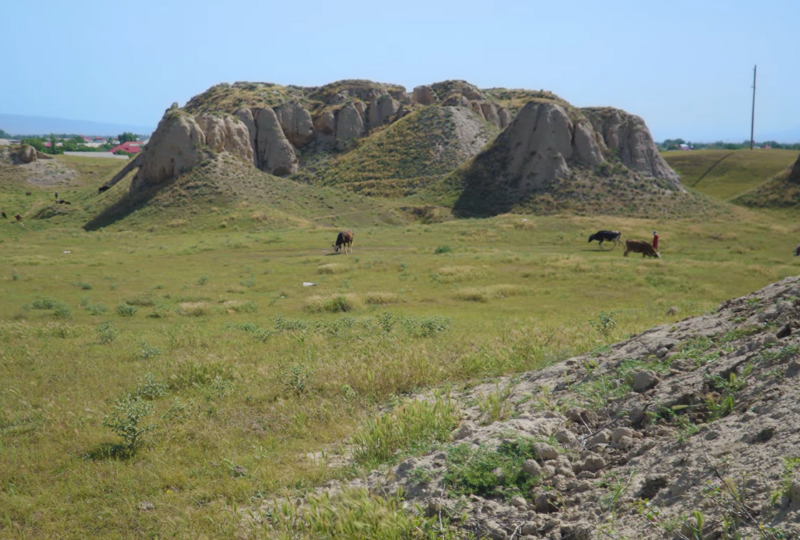
Kafir Kala Archaeological Landscape
Kafir Kala represents a significant landmark within the archaeological landscape of the Samarkand region. The investigations by Italian and Uzbek archaeologists, supported by the KALAM project, have confirmed the primary role of the site in the urbanisation of the Zeravshan Valley in ancient times.
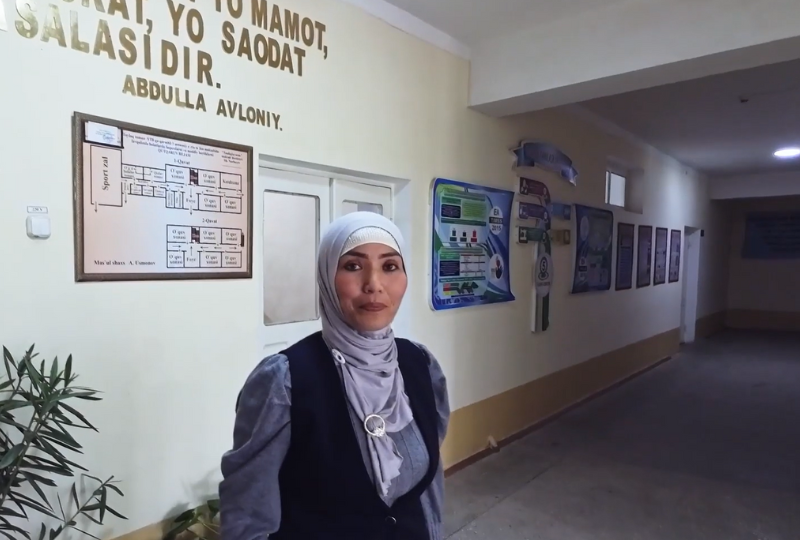
Uzakova Guljaхon
The impact of the KALAM activities in the schools of Samarkand region, in the words of a local female teacher.