Forensic Geology and Paleontology
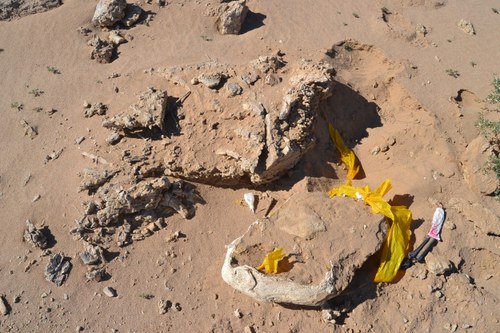
Fossils are undeniably part of humanity’s shared heritage, yet conflicts surrounding them did not end with the dramatic “bone wars” of a century ago. Instead, decades of quieter, often unnoticed disputes have produced a complex landscape where the livelihoods of hundreds intersect with a market worth billions each year. Today, some countries are prime targets for fossil hunters—both scientists and poachers—feeding collections and legal trade, while others contest decades of colonial practice and demand the return of fossilised treasures. Federico Fanti is currently acting as Forensic Palaeontology Adviser for the IUGS-Initiative on Forensic Geology
Over the past decade, global interest in fossils has risen steadily, fuelled by media coverage, remarkable discoveries, historical controversies, and a booming international market. Amid this “golden age” of palaeontology, one complex activity stands out as pivotal for the decades ahead: traceability. Yet few specialists—whether in academia, public institutions, or the marketplace—are investing in deep, systematic expertise on this issue, preferring to react to isolated crises rather than build resilient systems. A proactive, sector‑wide commitment to provenance, documentation, and transparent workflows is urgently needed to safeguard heritage, support ethical research, and sustain a credible, thriving fossil economy.
Who collected a specimen may seem a minor detail, but it reveals crucial information about intent, methods and institutional affiliations. Knowing when a site or quarry was explored carries both legal and practical significance, including what was not collected or properly documented. Even the basic question of what was collected can be perplexing, as field or commercial records often diverge from the physical evidence. Extending good practice across decades—sometimes centuries—of exploration, across multiple countries, shifting laws, and evolving scientific standards is a major challenge. Yet there is clear progress. Successful initiatives worldwide show how proactive, multidisciplinary teams can build robust provenance systems, reconcile legacy records, and standardise documentation. By adopting shared best‑practice guidelines—covering collector identity, permitting, field notebooks, geo‑referencing, chain of custody and open, verifiable metadata—we can create traceability that is transparent, auditable and scalable. This collaborative, standards‑driven approach offers a practical starting point for a common framework that protects heritage while enabling ethical research and responsible trade.
In a global system that lacks even a clear, shared definition of “fossil,” many contemporary conflicts in palaeontology stem from fragmented, inconsistent and often ineffective legislation. Harmonised definitions, coherent permitting, and enforceable provenance standards are essential to reduce disputes and protect heritage while enabling responsible research and trade. By 2030, professional palaeontologists in both public and private sectors will need to work proactively with lawyers, regulators, law‑enforcement agencies, ministries, ethicists, traders and the media. Building cross‑sector literacy, shared protocols and transparent communication now will be critical to managing risk, safeguarding collections and sustaining public trust.