Greece entry-zones - The Route’s starting points
By Vasiliki Makrygianni
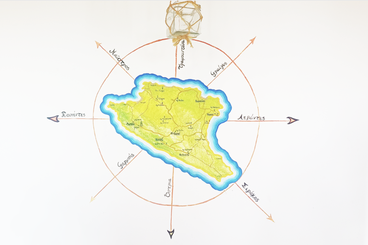
In late August 2025, I conducted a follow-up research trip to Crete and Gavdos island. Due to the rising number of migrant landings in the region the past two years, as well as the increasing geopolitical significance of the area, this visit aimed to examine the Cretan migration passage as a critical entry point to the European Union and the wider Balkan region.
On Friday, 22 August I landed at the port of Heraklion, in Creta. My initial impressions were shaped by observations at the port, a critical node in Crete’s mobility infrastructure, and conversations with a local resident about migration governance on the island. The day concluded with the drive to Hora Sfakion in the south part of the island.
The next day, Saturday, 23 August, the ferry crossing to Gavdos offered an opportunity to reflect upon the island’s spatial isolation and its significance within the broader sea border passages. On Sunday, 24 August I moved around the port area, Korfos, and visited the island’s lighthouse, situated next to a newly formed military base and a locally run cooperative. These visits offered me an overview of the island’s mainland and of the hiking paths often used by migrants.
Over the following days, I conducted informal conversations and observations with residents including fishermen, and visitors on beaches, as well as formal interviews with relevant current and former municipal actors. These engagements illuminated everyday experiences of seasonality, labour rhythms, and the gradual reshaping of local life by intensified border operations, as well as institutional perspectives on the pressures associated with migrant arrivals and on the municipality’s limited administrative capacities.
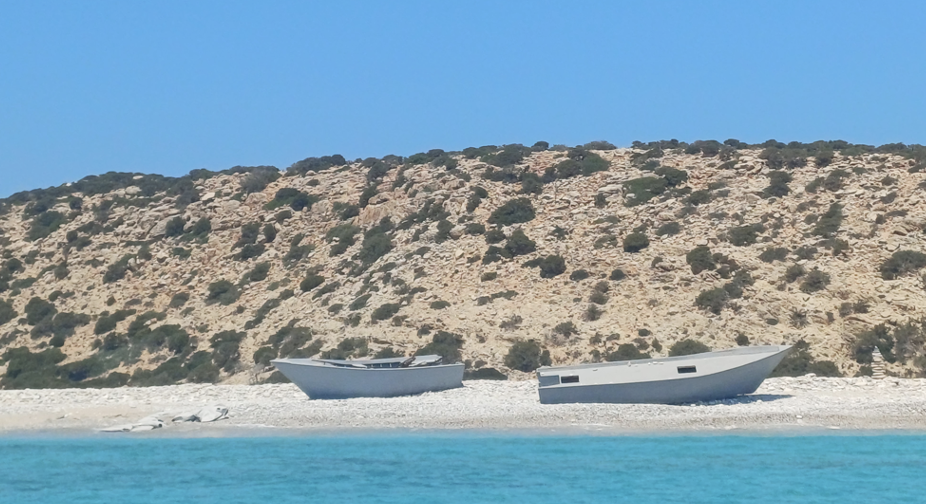
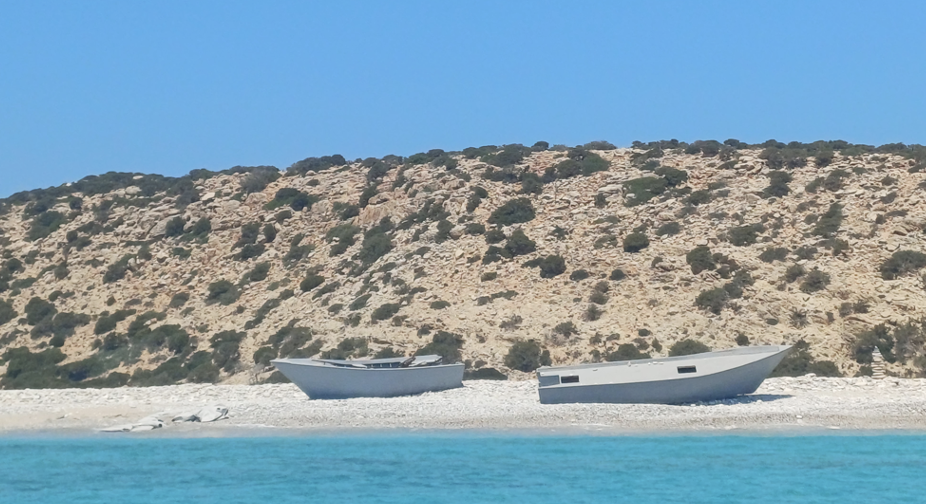
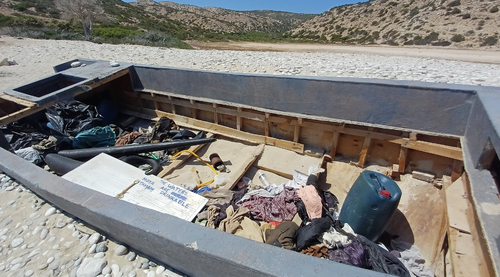
I was also able to take a boat trip to Tripiti beach—one of the main landing sites for migrants—took place on Wednesday, 27 August. The physical remoteness of this southern point underscored the precariousness of arrivals.
I further met with academics at an archeological excavation to discuss the long-term human presence on the island, its shifting socioecological dynamics as well as an interesting environmental context relevant to the island’s geomorphology and coastal vulnerabilities. Visiting to the Exile House Museum further connected the island’s contemporary role in migration governance to earlier histories of political exile.
During my visit news of new migrant arrivals circulated on several days, as boat landings took place. Informal conversations with residents captured the emotional and practical strain associated with such recurrent emergencies.
The field trip concluded on Monday, 1 September, with the boat to Chania where discussions with locals provided an insight of the latest arrivals as well as the makeshift infrastructure in Chania periphery. Later in the evening I boarded on a night boat trip to Athens.