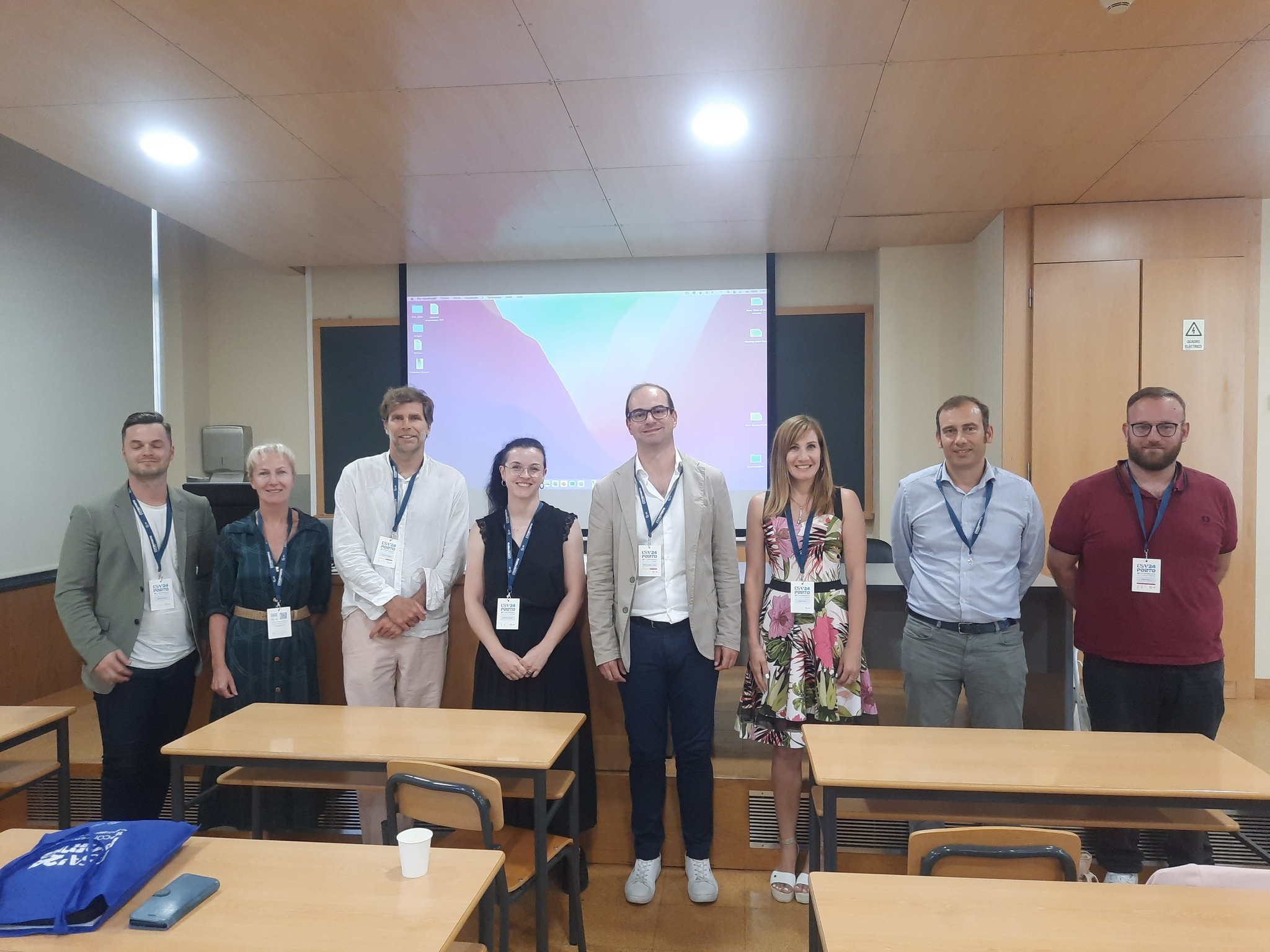
16th ESA Conference, Tension, trust and transformation | Porto, Portugal
Paper: 1. Content Analysis Of Digital Texts About Sport: The Case Of #IStandWithGary On Twitter; 2. Between Sport And Physical Activity: Ambiguities In EU Policy And Regenerative Actions

-
Data:
27 AGOSTO-30 AGOSTO 2024dalle 16:30 alle 20:00 -
Luogo: Porto, Portogallo
Ente organizzatore: ESA (European Sociological Association)
Relatori: Dott. Giovannipaolo Ferrari (University of Salerno, DISUFF, Italy; CeRIES, Université de Lille, France), Prof. Paolo Diana (University of Salerno, DISUFF, Italy)
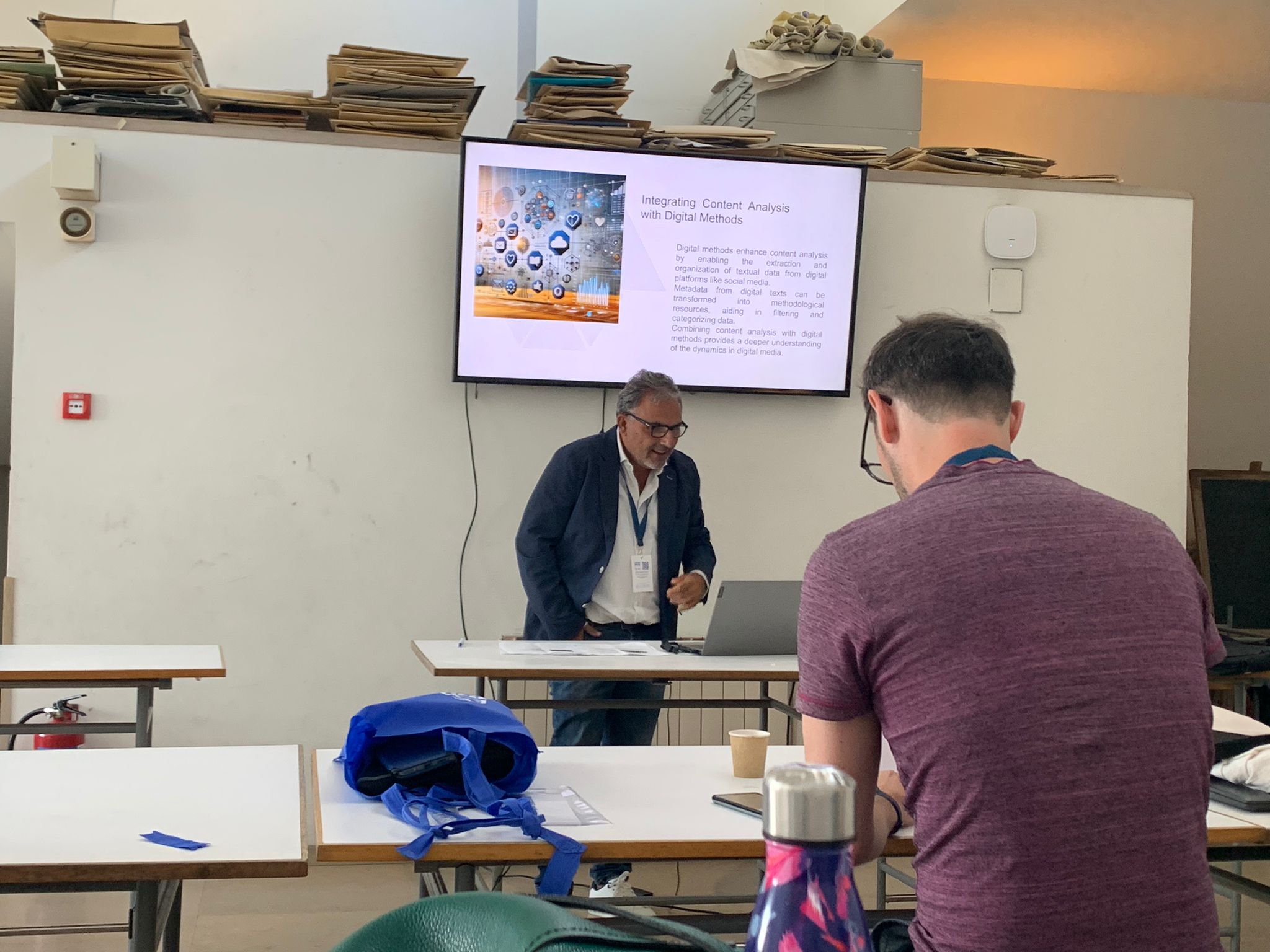
Paper: Content Analysis Of Digital Texts About Sport: The Case Of #IStandWithGary On Twitter
Abstract: Over the years, EU policies have evolved to promote and support citizens’ engagement in physical activity and participation in sport. This paper analyses the different dimensions of EU policies related to sport and physical activity. It analyses the initiatives promoted, the programmes implemented and the objectives for the future, even in the face of the “cosmic catastrophe” of COVID-19.
In the first four decades of European integration, EU policy in the field of sport was fragmented and almost completely absent. Since the mid-1990s, governments in many Western countries have developed strategies to encourage their citizens to adopt a more active lifestyle (Waddington 2010). This process has been labelled “the new public health” and has led to a shift in health policy from a focus on “care” to “prevention”. In our analysis, we will first outline the EU policy on sport and physical activity, which initially aims at the psychophysical improvement of European citizens. We will then analyse the ambiguous reception and use of the terms “sport” and “physical activity” by the EU in official documents and guidelines of the European Parliament and the Commission. The focus will shift to new lifestyles shared by more and more people in most EU Member States and to “regenerative actions” taken especially during and after the pandemic. Finally, we will see how, through this - albeit slow - development of jurisprudence, an attempt was ultimately made to promote the mobilisation of territorial institutions and organisations to protect and promote the psychophysical and social well-being of individual European citizens and communities.
Ente organizzatore: ESA (European Sociological Association)
Relatori: Prof. Paolo Diana (Università di Salerno, DISUFF), Dott. Giovannipaolo Ferrari (Università di Salerno, DISUFF; CeRIES, Université de Lille, France)
Paper: Between Sport And Physical Activity: Ambiguities In EU Policy And Regenerative Actions
Abstract: This contribution demonstrates the integration of content analysis (CA) in examining digital texts on sports, utilizing digital methods such as automated extraction of text data from platforms like Twitter. The focus is on organizing this data into structured datasets and leveraging metadata as methodological resources. Using a case study involving the Gary Lineker and BBC controversy, the operations are showcased. CA employs non-invasive observation techniques to explore socio-cultural meanings in textual data that are not directly observable, allowing for the swift collection of large or small data sets. The USA and the Anglo-Saxon world have a rich tradition of using CA in sports sociology research, analyzing corpora from various sources, including sports media, official documents, and digital content. This method unveils insights into relationships between sport and various societal issues. Widely employed in sport studies, CA is pivotal in communication and media studies, shedding light on media discourse about sports. It unravels how the media shapes perceptions of sport, athletes, and teams, reflecting the influence of commercialization and commodification on these portrayals.
In essence, CA facilitates a deeper comprehension of messages, values, and representations associated with sports and the athlete condition. It serves as a tool to understand how these elements shape diverse audience perceptions.
In evidenza
Album