Risk from biological agents
What is this?
Exposure to biological agents
Biological risk refers to the possibility of contact with cellular and non-cellular organisms capable of replicating or transferring genetic material and which may be able to provoke infection, allergy or toxicity.
Applicable regulations
Legislative Decree 81/08, Title X, regulates the use of biological agents in work tasks, including teaching and research, by laying down provisions on processing methods and safety measures. The Title also covers activities which may involve risk of exposure even when there is no intention of working with biological agents, which is the case with many laboratory or agricultural and veterinary tasks. The Decree contains notes on health surveillance.
Where can it occur?
Laboratories and tasks at risk
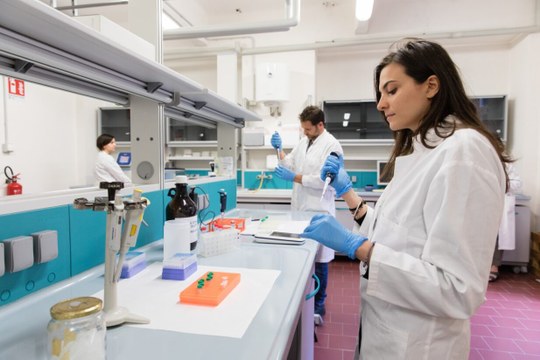
Exposure is possible where biological agents are deliberately introduced into the work cycle or where there is the possibility of contact with biological material. Exposure is possible in laboratories where biological samples are processed, in certain field work, in agricultural and veterinary tasks.
How to prevent it?
Preventive and protective measures
A careful risk assessment based on the analysis of the biological agent, work environment and working methods is the first and most important preventive and protective measure.
The Decree sets out the following technical, organisational and procedural measures to remove or minimise the risk of exposure:
- Avoid the use of harmful biological agents, where possible;
- Keep as low as possible the number of workers exposed;
- Take measures so as to avoid or minimise the accidental release of biological agents from the workplace;
- Take collective protective measures or personal protective measures where exposure cannot be avoided by other means;
- Display the biohazard sign in a well-visible location;
- Implement appropriate procedures for taking, handling and processing samples of animal and human origin and establish emergency procedures to deal with accidents;
- Avoid the use of unsuitable containers and/or containers with unidentified content;
- Take appropriate hygiene measures.
As always, it is key to train and instruct workers on this risk and how to prevent it.